Fair Credit Reporting Act (FCRA) Attorneys

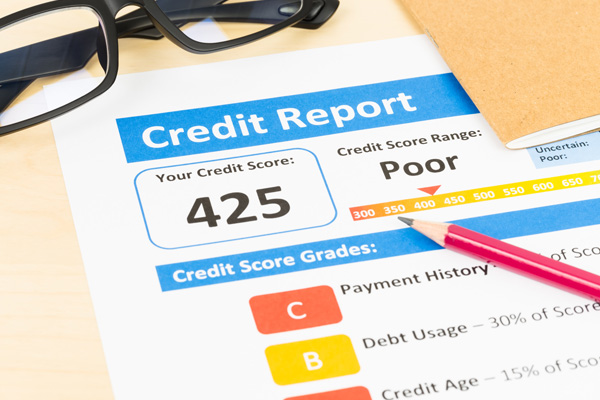
Your credit score is one of the most critical elements in achieving financial independence. It directly impacts your ability to secure a mortgage, finance a car, or apply for new credit cards. Maintaining a healthy credit score is vital to avoid roadblocks that could hinder your financial progress. It’s equally important to remember that your credit report plays a role in background checks for employment, as many industries now integrate credit reporting into their hiring processes. Keeping an eye on your credit health ensures that you can move forward in life with fewer obstacles.

Unfortunately, anyone can become the victim of credit reporting errors that may restrict access to credit or even affect employment opportunities. These errors can stem from various sources that are outside your control, including:

Financial institutions not reporting information accurately

Credit bureaus mistakenly merging records of unrelated individuals

Credit bureau employees failing to follow proper procedures when updating profiles

What Is the Fair Credit Reporting Act (FCRA) and What Rights Does It Give Consumers?

The Fair Credit Reporting Act (FCRA) is a federal consumer protection law that regulates how credit information is collected, reported, and shared. Because credit reports influence loans, housing opportunities, and even employment checks, the law sets rules designed to promote accuracy, fairness, and privacy in the reporting process.

The FCRA applies to several parties involved in credit reporting. This includes credit bureaus, lenders, debt collectors, employers that review credit history, and companies that supply account data to the bureaus. Each of these entities must follow specific procedures when reporting and verifying consumer information.

The law gives consumers several important rights designed to help correct inaccurate reporting. Key protections include:

The right to access and review your credit reports

The right to dispute incorrect or incomplete information

The requirement that credit bureaus conduct a reasonable investigation after receiving a dispute

The obligation to correct or remove information that cannot be verified

When these responsibilities are ignored, consumers can experience real consequences. Incorrect reporting may affect loan approvals, insurance rates, housing applications, or employment opportunities.

If a credit bureau or creditor fails to follow these rules, the issue may qualify as a violation under the New Jersey Fair Credit Reporting Act and federal law. Legal action may be available when consumer rights are ignored.

For a deeper explanation of the law and how it protects consumers, read our guide on
what is the Fair Credit Reporting Act?

When Do Credit Report Errors Become Fair Credit Reporting Act Violations?

Credit reports sometimes contain mistakes. A late payment may be listed incorrectly, an account may appear that does not belong to you, or records may become mixed with another consumer’s information. While these errors are frustrating, they do not always qualify as legal violations right away.

The issue often becomes more serious after a consumer files a dispute. Once a dispute is submitted, credit bureaus must investigate and verify the accuracy of the information they report.

Violations frequently occur when that process is handled improperly. Common FCRA violations include:

Failure to conduct a reasonable investigation after receiving a dispute

Continuing to report inaccurate information after it has been disputed

Re-reporting information that was previously corrected or removed

Mixed credit files involving multiple consumers

Failure to remove accounts connected to identity theft

Unresolved reporting errors can have lasting effects. Consumers may face denied credit applications, higher borrowing costs, housing problems, or employment complications when credit checks are involved.

A credit report dispute lawyer can review your credit history and dispute records to determine whether the law was violated. If required procedures were ignored, legal action may be appropriate.

To learn more about frequent violations, read our look at the most common Fair Credit Reporting Act violations.

What Compensation Can Consumers Recover Under the Fair Credit Reporting Act?

When credit reporting agencies or creditors violate the law, consumers may have the right to seek compensation. The FCRA allows individuals to pursue damages when inaccurate reporting causes measurable harm.

Credit reporting errors can affect many parts of daily life. Consumers may lose access to loans, face higher interest rates, struggle with housing applications, or miss employment opportunities because of inaccurate information.

Possible damages in an FCRA claim may include:

Financial losses related to denied loans or increased borrowing costs

Emotional distress connected to credit reporting harm

Statutory damages when violations are willful

Attorney’s fees and legal costs in successful claims

Not every reporting mistake leads to compensation. However, repeated errors or failure to properly investigate disputes may create legal liability. An experienced FCRA lawyer can review your credit reports, dispute records, and documentation to determine whether a valid claim exists. This evaluation helps identify how the reporting error occurred and what impact it had.

How We Can Help

Navigating the complexities of credit reporting disputes can be difficult without expert help. At Stein Saks, our team of credit report attorneys is dedicated to advocating for our clients. Having an experienced credit report lawyer on your side ensures that credit bureaus are held accountable. When you work with our team, you’ll have the advantage of seasoned professionals fighting to correct inaccuracies on your behalf.

Our credit report lawyers are highly experienced in this field and can help you correct the following issues:

Inaccurate account information (e.g., unpaid balances, late payments)

Mixed accounts with unrelated individuals

Fraudulent accounts due to identity theft

Account reporting mistakes, like incorrect balances, late payment dates

If you believe your rights were violated, speaking with a Fair Credit Reporting Act law firm can help clarify your options. The attorneys here at Stein Saks, PLLC regularly assist consumers dealing with these issues. Our legal team will work hard to correct inaccurate reporting and hold responsible parties accountable.

Frequently Asked Questions About Errors in Credit Reports

Q: What are some of the most common examples of errors related to consumers’ credit reports?

A: There are many types of issues you may encounter related to your credit report. For example, your report may show accounts or creditors that do not belong to you; late payments; unpaid balances; default, charge-offs or settlement information that is inaccurate or incomplete; fraudulent behavior caused by identity theft; and other issues that could materially impact your ability to obtain and use credit. A skilled credit report attorney can help you fight these types of violations and clean up your credit report.

Q: Are there credit reporting laws that protect consumers in these situations?

A: Yes, there are laws in place to protect consumers from the potentially negative consequences of errors on their credit profiles. Credit reports fall under the Fair Credit Reporting Act (FCRA,) which was designed to promote accuracy, fairness, and privacy of data that is collected and used by the credit bureaus and financial agencies. This law impacts the credit reporting agencies and financial institutions or other entities that provide information to the reporting agencies. If you were harmed by a credit reporting error, you may be entitled to compensation under the FCRA.

Q: What should I do if there is an error on my credit report?

A: First, it is important to review your credit reports periodically to ensure the information they contain is accurate and complete. You can request one free credit report from each of the three major credit bureaus – Equifax, Experian and TransUnion – once each week. If you find errors on your report, contact Stein Saks PLLC


Why Work With an Attorney to Fix Credit Report Inaccuracies?

Working with a Fair Credit Reporting Act lawyer to fix errors in your credit report can help you through a stressful situation. Your credit report attorney can help you restore your credit profile and fight against your creditors and/or the credit bureaus on your behalf to remove inaccurate information and correct errors. an experienced FCRA attorney can be an invaluable resource, holding the credit reporting agency or financial institution accountable for its actions.

The FCRA attorneys and staff at Stein Saks, PLLC understand how credit report laws work. We have helped many consumers fix errors on their credit reports. We help clients defend and correct their credit reputations. If you believe your credit report contains errors, contact Stein Saks, PLLC to schedule a free consultation with an attorney.

<h2>Contact Stein Saks, PLLC</h2>
for a free consultation to better understand how we can help you.

Contact Stein Saks, PLLC

These laws require defendants to pay our fees and costs. Therefore, this litigation won’t cost you anything — our representation is FREE.

Call Now Button